

A strong Marvin home sale starts before the listing goes live. The right preparation helps buyers understand the home’s value quickly, while a thoughtful pricing strategy keeps attention focused on the property rather than on price reductions. Use this guide to prioritize the updates, presentation details, and market data that can support a confident launch.
Start With a Clear Picture of Your Home’s Position
Preparing to sell is often framed as a checklist of repairs, but the most useful first step is strategic: understand how your property compares with other homes currently available, recently sold, and pending in Marvin. A price should reflect the home’s condition, location, features, lot, layout, and the current level of competing inventory. It should also account for the details that buyers can see immediately during an online search and in person.

A comparative market analysis is more than a list of nearby addresses. The most relevant comparable sales tend to share practical characteristics with your property, such as similar square footage, age, bedroom and bathroom count, renovation level, and setting. Homes that are currently for sale matter, too, because they are the alternatives buyers will be evaluating at the same time. Pending listings can offer additional clues about where recent demand has concentrated.
It can be tempting to begin with an aspirational number and “see what happens.” However, a listing receives much of its strongest attention during its first days on the market, when new-listing alerts, saved searches, and active buyers are most likely to bring it to the surface. A price that is aligned with current evidence invites consideration; a price that is out of step can cause buyers to move on before they schedule a visit.
Look beyond a single headline sale when discussing value. Did that property have a renovated kitchen, a finished basement, a pool, a larger lot, or a notably different floor plan? Was it listed during a different season or under different inventory conditions? Pricing works best when it is a reasoned range supported by current data, not a guess based on the highest number in the neighborhood.
The launch period is valuable because it reaches buyers who have been waiting for new options. Clean presentation and evidence-based pricing give that early attention a better chance to convert into showings.
Prepare the Features Buyers Notice First
Once the pricing conversation is underway, preparation can make the home easier to evaluate and photograph. That does not mean every seller needs a major renovation. In many cases, the most effective improvements are straightforward: address deferred maintenance, simplify the rooms, refresh worn paint, improve lighting, and make exterior areas look cared for. The goal is to help buyers focus on the property’s space and features rather than on a to-do list.
Begin outside, where buyers form their first impression before entering. Trim overgrown landscaping, clear walkways, wash the entry, replace visibly worn hardware where appropriate, and make sure the house number is easy to find. A fresh welcome mat, tidy porch, and working exterior lights can communicate care without requiring a large project budget. If seasonal conditions affect the yard, focus on neat edges, leaf removal, and healthy-looking planting areas rather than trying to force an elaborate redesign.
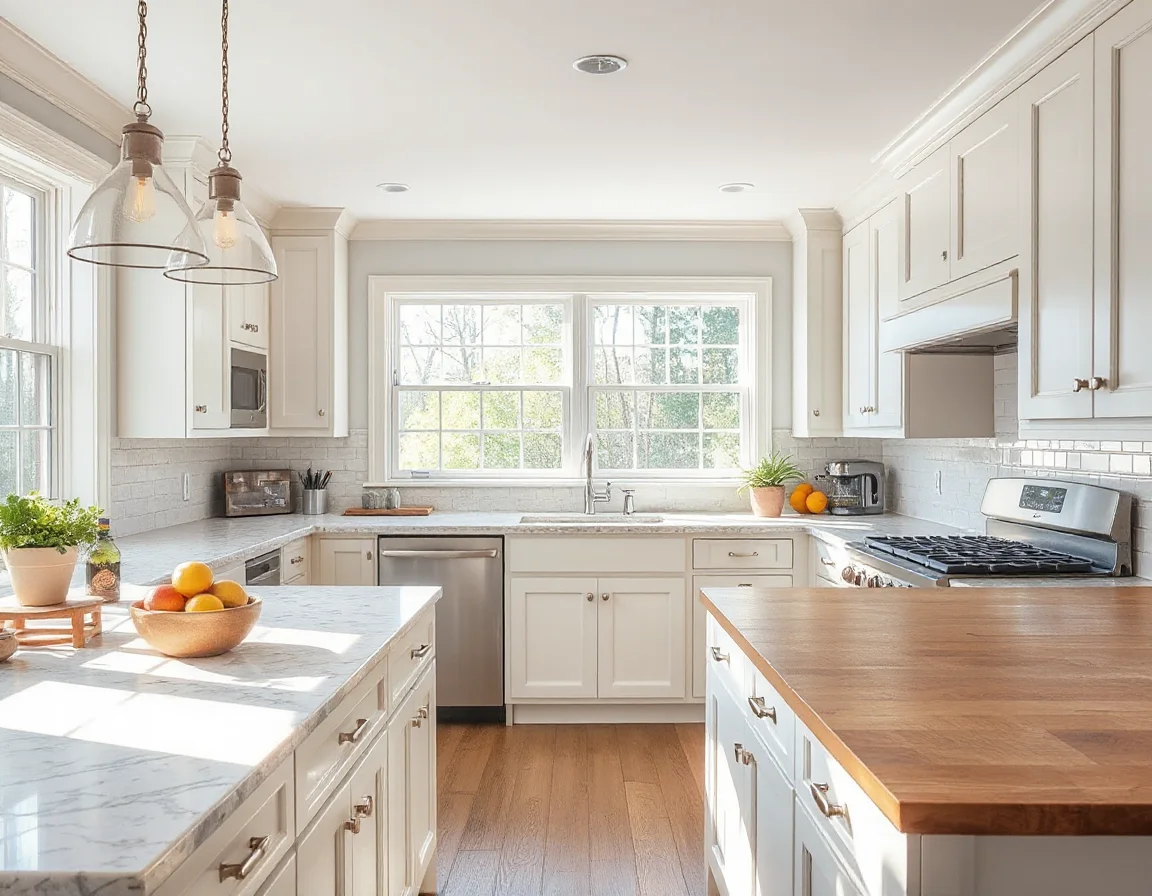
Inside, clean surfaces and open pathways can make a substantial difference. Remove excess furniture that interrupts traffic flow, store personal collections, and clear kitchen and bathroom counters. Neutral, well-maintained rooms generally photograph more clearly because the architectural details remain visible. Pay special attention to floors, windows, baseboards, door hardware, and light fixtures; these small elements often shape a buyer’s overall sense of upkeep.
Prioritize repairs that affect function. Dripping faucets, sticking doors, damaged screens, loose railings, burned-out bulbs, and visible caulk gaps may appear minor individually, but together they can suggest maintenance has been postponed. If there are larger questions involving roofing, HVAC, plumbing, electrical systems, or structural components, gather available records and discuss the best approach before going live. Good documentation can help support a smoother conversation later in the transaction.
A practical prep budget is usually best spent on cleaning, maintenance, lighting, and paint before cosmetic upgrades with uncertain returns. Choose improvements that make the entire home feel more complete.
Make the Listing Feel Easy to Understand
Marketing should answer the questions buyers are likely to have before they ask them. Professional photography, a clear floor-plan presentation when available, accurate room descriptions, and organized property details all help a listing stand out for the right reasons. Images should show the home at its best while remaining true to its condition and layout. Buyers who arrive with a clear understanding of the property are better prepared to evaluate it seriously.
Before photography and showings, take one final pass through each room at eye level. Hide cords and small appliances, remove magnets and papers from the refrigerator, make beds neatly, open blinds where privacy allows, and turn on interior lights. Bathroom counters should be especially simple. If pets live in the home, create a plan for supplies, feeding areas, and showings that keeps the space clean and minimizes distractions.
Be ready to share the practical details that support a buyer’s decision. Useful information can include the age of major systems when known, recent improvements, utility-related details, HOA documents if applicable, survey information, warranties, permits, and manuals. This is not about overwhelming a buyer with paperwork; it is about making reasonable information accessible and reducing avoidable uncertainty once interest develops.
Showing readiness also matters. Keep a short daily routine for dishes, laundry, pet items, and quick surface cleaning, since appointments can be requested with limited notice. Sellers who create a simple system before launch often find the process less disruptive. A basket for personal items, a designated place for mail, and a plan for lights and window coverings can make the home easier to reset quickly.
Use Feedback and Activity to Guide the Next Move
After the listing is active, pay attention to the quality of activity rather than only the number of online views. Showings, repeat visits, saved-listing engagement, and feedback about price, condition, layout, or competing homes can help identify patterns. One comment is an opinion; similar comments from multiple visitors may point to an adjustment worth discussing.
A thoughtful strategy leaves room to respond to the market without reacting impulsively. If the property is receiving strong traffic but little follow-up, review the presentation and buyer feedback. If it is not attracting showings, pricing and online positioning may need another look. If an offer arrives, evaluate the complete terms: financing, contingencies, due diligence timelines, closing date, requested concessions, and the buyer’s ability to perform can all matter alongside the offer price.
Preparation cannot control every market variable, but it can give you a clearer starting point. When your Marvin home is clean, well-documented, professionally presented, and priced from current evidence, buyers can spend less time wondering what needs attention and more time considering the property itself. That clarity is one of the most useful advantages a seller can create before the sign goes up.