

Weddington home prices and available inventory can shift quickly, especially when a limited number of well-maintained homes come to market at once. Understanding the relationship between list price, condition, location, and current competition can help you make a more confident move—whether you are preparing an offer or considering a sale.
Why Weddington Market Conditions Deserve a Closer Look
It is easy to see a headline about rising or falling home prices and assume it tells the whole story. In Weddington, however, the experience of shopping for a home or planning a sale often comes down to the details behind those broad numbers. A property’s lot, age, renovation level, floor plan, school assignment information, proximity to daily services, and the number of similar homes currently available can all shape its position in the market.
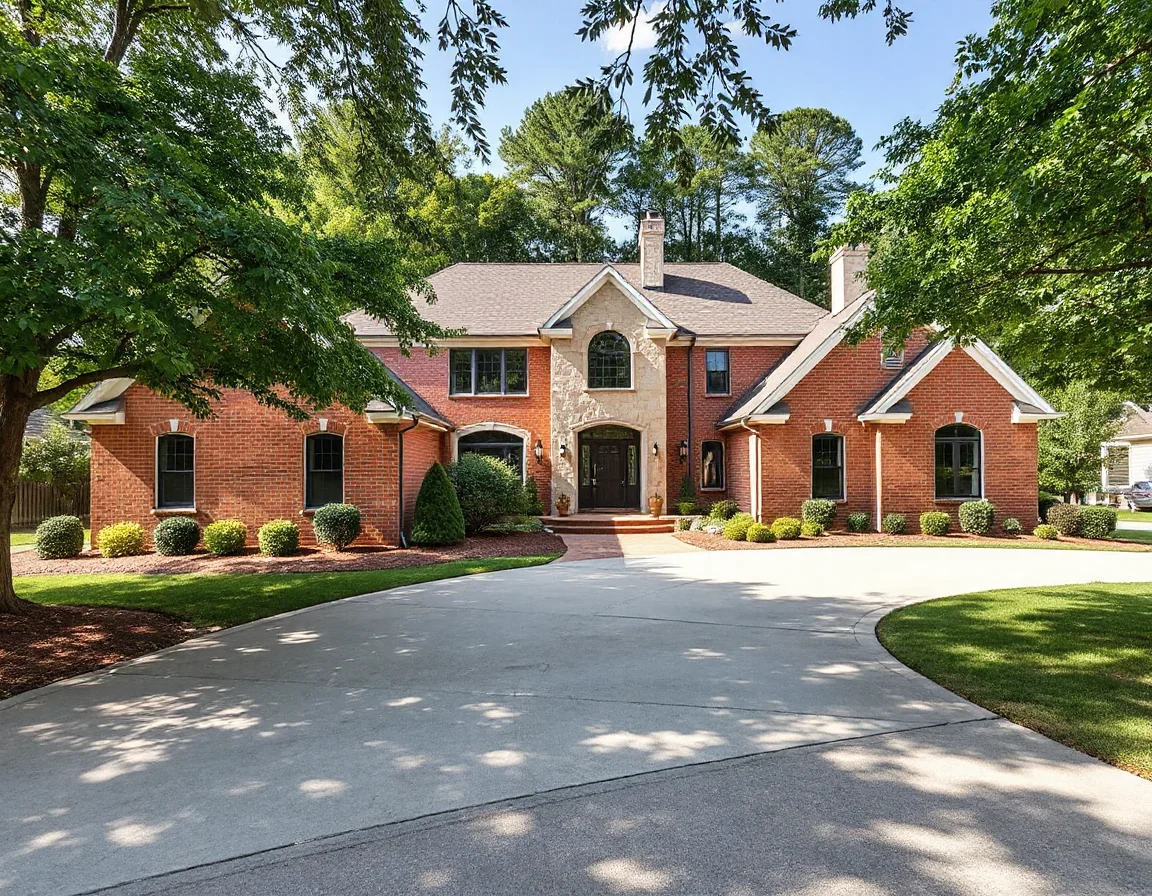
Rather than treating every listing as interchangeable, it helps to look at the active market in layers. Start with homes that match the same general price range, property type, bedroom count, lot characteristics, and level of updates. Then compare the asking prices with recent closed sales, pending listings, and properties that have remained available longer than expected. This approach reveals more than an average price can: it shows where buyers appear to be placing value right now.
Inventory is equally important. When few comparable homes are available, buyers may have less flexibility to wait for a particular layout or location. When more choices are on the market, buyers can take additional time to compare condition, disclosures, financing terms, and future maintenance needs. Neither environment is automatically better; each simply calls for a different strategy.
A well-priced Weddington listing is not necessarily the lowest-priced option. Buyers often compare total value, including condition, usable space, lot features, and the estimated cost of updates after closing.
For sellers, this means preparation matters before the first photo is taken. A home that enters the market with clear pricing, thoughtful presentation, completed maintenance items, and accurate property information gives buyers a stronger basis for comparison. For buyers, it means having a realistic budget that includes inspections, potential repairs, closing costs, and any planned improvements—not just the purchase price.
Reading Prices Beyond the Asking Number
List price is an invitation to begin a conversation with the market, not a guarantee of value. A home may be positioned aggressively because of recent improvements, a highly usable lot, custom finishes, or a distinctive location. Another may be priced with room for negotiation because it needs updates or because there are several similar homes competing for attention. The key is to understand what is supporting the number before deciding how to respond.
Recent comparable sales are useful, but timing matters. A sale from several months ago may have occurred under different interest-rate conditions, with different inventory levels, or during a season when buyer activity looked different. Pending properties can also offer clues, though final terms are not public until closing. Active listings show the competition, while withdrawn or expired listings can help identify price points or presentation approaches that did not gain traction.
Condition is often the deciding factor. Two houses with similar square footage can receive very different reactions depending on upkeep, light, storage, kitchens, baths, mechanical systems, roofing, landscaping, and the amount of work a buyer expects to take on. Cosmetic details should be considered alongside practical components. An attractive room may still need a close look at age, function, permits where applicable, and the inspection process.
It is also wise to separate personal preferences from resale considerations. A particular design style may feel perfect to one person and less appealing to another, but neutral market factors—location, floor plan flow, usable outdoor space, overall condition, and comparable sales—help create a more grounded view of value. Working from both perspectives can make negotiations more focused and less emotional.
What Inventory Can Tell You About Your Timing
Available inventory is more than a count of homes for sale. It is a snapshot of choice. A buyer evaluating three comparable properties will likely approach the process differently than a buyer evaluating one. In a lower-inventory period, preparation becomes especially valuable: review financing options early, clarify your preferred features, and be ready to examine disclosures and inspection findings carefully when a suitable property appears.

For sellers, inventory provides context for positioning. If nearby homes offer similar square footage and features, a new listing needs a reason for buyers to prioritize it. That reason may be pricing, move-in condition, a more functional layout, clearer marketing, completed repairs, or simply a better understanding of how the home compares with the alternatives. Reviewing active competition room by room can be more useful than relying on a broad countywide statistic.
Seasonality can influence the rhythm of inventory, but it should not be treated as a rigid rule. Some homeowners choose to list when their property is ready, while others time a sale around work schedules, construction completion, or their next purchase. Buyers may enter the market at any point because a lease ends, a relocation occurs, or a preferred home type becomes available. The best timing is often the point at which your financial readiness and property goals align with current local conditions.
New construction can also affect the supply picture in and around Weddington. A newly built home may offer modern systems and design selections, while an existing home may offer established landscaping, completed outdoor spaces, or a location that is no longer available for new development. Comparing these choices fairly means looking beyond the base price to account for upgrades, lot premiums, completion dates, warranties, and any anticipated work after closing.
When inventory is limited, clear priorities are more useful than a long wish list. Decide which features are essential, which are flexible, and where you are willing to make tradeoffs before touring homes.
A Practical Plan for Buyers and Sellers
Buyers can begin with a current pre-approval, a realistic monthly payment range, and an understanding of the cash needed for a down payment and closing costs. From there, review recent sales and active competition with an agent who can explain the differences between homes that may look similar online. During a showing, pay attention to layout, storage, natural light, maintenance, lot use, and the condition of major systems. A well-informed offer considers price, due diligence timelines, financing terms, contingencies, and the seller’s stated preferences.
Sellers can start by gathering records for improvements and maintenance, addressing visible deferred repairs, and discussing pricing based on current comparable properties rather than an automated estimate alone. Professional photos, thoughtful staging, and a clean, well-lit presentation can help buyers understand the home’s features quickly. Just as important, sellers should be prepared for inspection conversations and evaluate offers based on their complete terms, not only the top-line number.
Whether you are watching Weddington from nearby or actively planning a move, market knowledge works best when it is current and specific. A conversation about today’s available homes, recent closings, and your particular goals can turn general information into a useful next step. The market may change, but a careful process helps you respond with clarity.