
A home inspection is one of the clearest opportunities to understand a Waxhaw property before finalizing a purchase. The report is not a pass-or-fail grade; it is a practical roadmap for questions, repair conversations, future maintenance, and confident decision-making. A focused walkthrough helps buyers separate ordinary upkeep from issues that may need additional evaluation.
Start With the Big Systems
Once an offer is accepted, the inspection period can feel fast. It helps to remember that an inspection is designed to provide a visible, working-condition snapshot of the home on the day it is inspected. A licensed inspector generally reviews readily accessible components, documents observed concerns, and identifies areas that may warrant further review by a qualified specialist. For a Waxhaw purchase, begin by concentrating on the systems that are costly, difficult to access, or central to daily use: the roof, foundation, drainage, HVAC equipment, plumbing, electrical service, and structure.
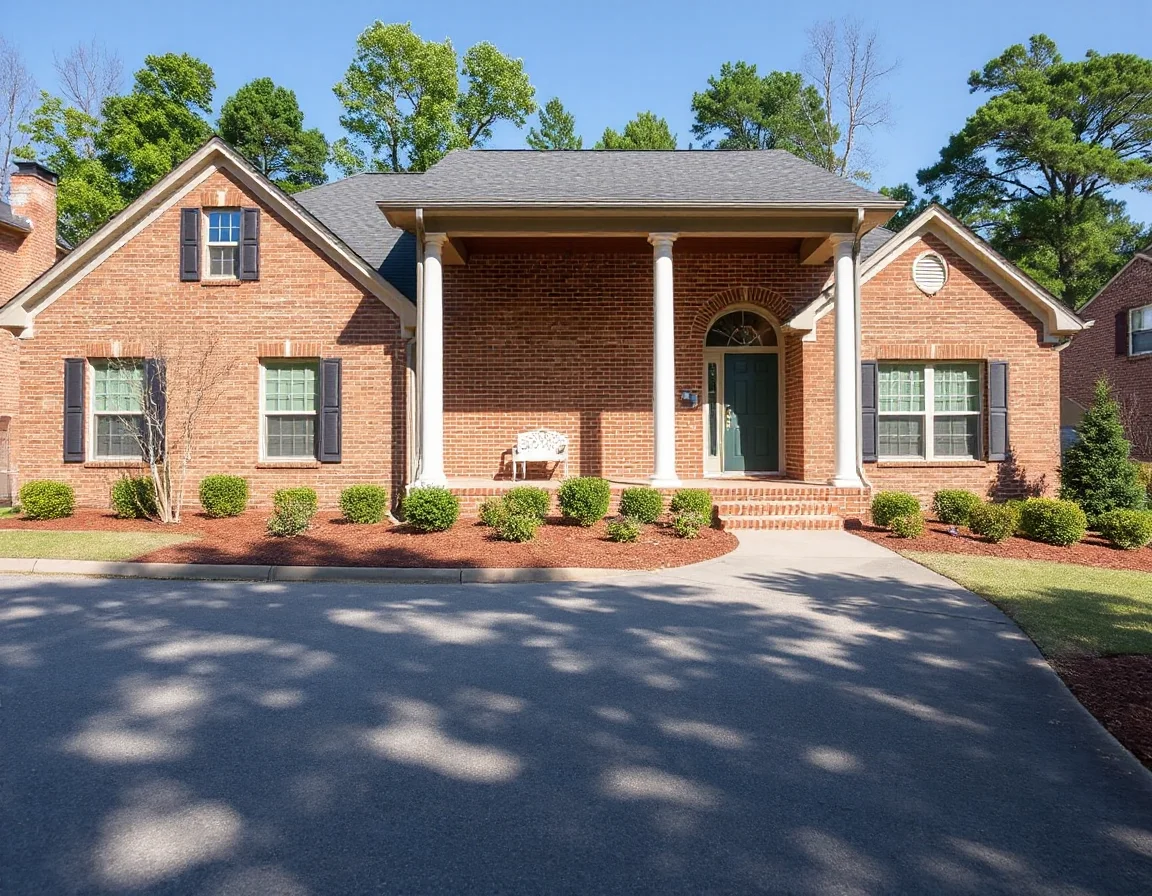
Roof and drainage deserve an early look. Ask about the apparent condition of shingles, flashing, roof penetrations, gutters, downspouts, and visible signs of moisture in the attic. In the Charlotte region’s humid climate and seasonal storms, water management matters well beyond the roofline. Note whether downspouts direct water away from the foundation and whether the grade appears to slope away from the house. Standing water, eroded soil, staining, or damp areas near the foundation are all worth discussing with the inspector.
Foundation observations should be read in context. Small cosmetic cracks can be common in many homes, while wider cracks, ongoing movement, uneven floors, sticking doors, or moisture intrusion can call for closer attention. Your inspector may recommend a structural engineer or another specialist when an issue falls outside the scope of a general inspection. That recommendation is useful information, not an automatic reason to walk away from a property.
Keep a separate list for health-and-safety concerns, major system questions, and routine maintenance items. A detailed report can be long, but not every comment carries the same urgency or cost.
Heating and cooling systems should also be part of the first conversation. Confirm the approximate age of each unit, visible condition, whether the system operated during the inspection, and any recommended servicing. Ask where filters are located, whether condensate drainage appears properly routed, and whether there are rooms with noticeably uneven comfort. If a home has more than one HVAC unit, label each one in your notes so estimates and future maintenance plans stay organized.
Read the Inspection Report Like a Planning Tool
A thorough report often includes photos, descriptions, and recommendations. Rather than starting with the total number of findings, sort them into practical categories. Some items may be straightforward repairs, such as replacing a damaged outlet cover or securing a loose handrail. Others may require a licensed contractor’s evaluation, especially when the report notes electrical panel concerns, active leaks, suspected moisture damage, or system components near the end of their useful life.
During the inspection, attend the walkthrough if possible. Seeing a concern in person makes the written report easier to interpret later. Bring a phone or notebook and ask concise questions: What did you observe? Is this active or historical? What maintenance can address it? Does it need a specialist? What should be prioritized before closing? Inspectors cannot predict every future repair, but their observations can help you make better decisions about what to investigate next.
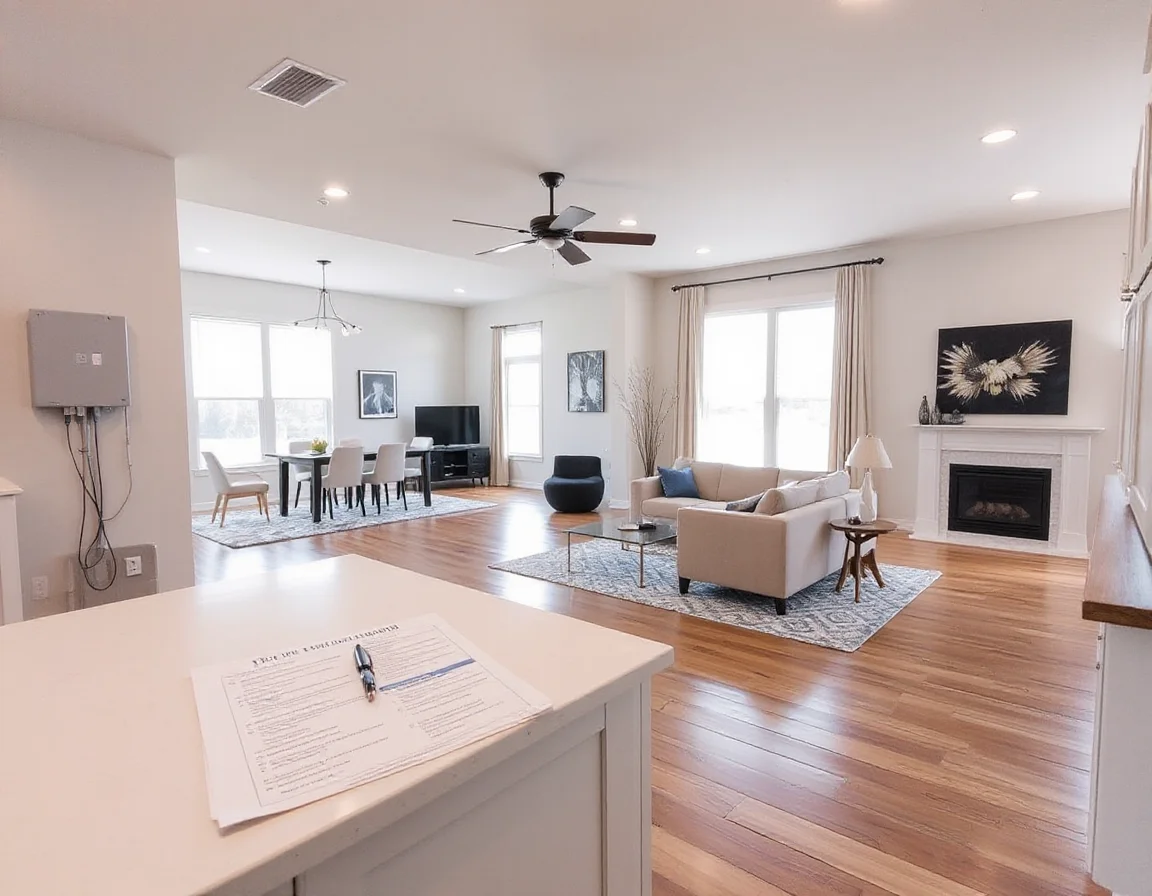
Pay close attention to the electrical and plumbing sections. For electrical systems, look for comments about the service panel, visible wiring, GFCI protection in applicable locations, smoke and carbon monoxide alarms, and outlets that did not respond during testing. For plumbing, review supply lines, visible drains, water heater details, fixture operation, and signs of leaks under sinks or around tubs and showers. A sewer scope may be a worthwhile additional consideration for some properties, particularly when the age, material, or condition of the sewer line is uncertain.
Cosmetic details still deserve a review, but they should not crowd out larger decisions. Scuffed paint, aging caulk, worn flooring, and minor drywall blemishes may be manageable projects after closing. By contrast, a recurring moisture source can create a more complicated repair path. The goal is not to find a flawless house. Every property requires care over time; the goal is to understand the condition you are agreeing to purchase.
Learn about buyer representation
Use Specialist Opinions and Estimates Wisely
When the inspector recommends further evaluation, schedule it promptly within the deadlines in your contract. A roofer, HVAC technician, electrician, plumber, foundation professional, pest professional, or other qualified specialist can provide a narrower assessment and, when appropriate, an estimate. Ask each professional to distinguish between an immediate repair, preventative maintenance, and an optional upgrade. This makes it easier to compare recommendations without treating every note as equally time-sensitive.
For homes with private wells or septic systems, be sure the purchase plan includes the appropriate evaluations. Likewise, if the property has a pool, fireplace, detached structure, solar equipment, or extensive drainage features, ask whether an additional inspection is advisable. These components may not receive the same depth of review as the home’s primary systems during a general inspection. Understanding the scope beforehand prevents surprises later.
Keep documentation in one place: the full inspection report, specialist reports, estimates, seller disclosures, repair invoices if provided, and notes from conversations. This file can support repair negotiations and become a useful maintenance reference after closing. If repairs are agreed upon, clarify in writing what work will be completed, who will perform it, and what documentation will be available. A final walkthrough is the time to verify the property’s agreed-upon condition and review completed work visually.
Prepare for the Walkthrough and the Years Ahead
The final walkthrough is not another full inspection, but it is an important final check. Test fixtures and appliances that are included in the purchase, look for new damage, confirm that requested repairs appear complete, and make sure personal property and debris have been removed as agreed. Bring the inspection report and repair addendum with you so the walkthrough has a clear, focused purpose.
After closing, use the report to build a maintenance calendar rather than placing it in a drawer. Seasonal HVAC servicing, gutter cleaning, caulk checks, filter changes, landscape drainage monitoring, and roof observations can help preserve the home over time. For buyers considering newer construction, an inspection remains valuable: new homes can still have installation issues, unfinished punch-list items, or systems that benefit from an independent review.
The best inspection outcome is clarity: which items need action now, which should be monitored, and which are simply part of normal homeownership maintenance.
Waxhaw offers a range of property styles, from established homes to recently built residences, and each comes with its own inspection considerations. Give yourself enough time to read the report carefully, ask follow-up questions, and make decisions based on evidence rather than the anxiety of a long checklist. A prepared approach can turn the inspection from a stressful milestone into one of the most useful steps in the purchase process.