Buying your first home in Concord can feel like a lot of moving parts, but the process becomes much easier when you know what happens before you tour, while you negotiate, and after you go under contract. This guide breaks the journey into practical steps so you can budget clearly, compare homes with confidence, and stay organized all the way to closing day. If you are planning a move in or around Concord, a solid plan can help you act quickly when the right property appears.
Start With Financing Before You Start Scrolling
The most common first-time buyer mistake is falling in love with listings before knowing the monthly payment range that actually fits. In Concord, where buyers may be comparing established neighborhoods, new construction communities, and townhome options, that early financing step matters even more. A pre-approval gives you a realistic budget, shows sellers you are serious, and helps narrow your search to homes that match both your goals and your numbers.

Before applying, gather pay stubs, W-2s or tax returns, bank statements, and a list of monthly obligations. Lenders will review income, debt, credit history, and available funds for down payment and closing costs. If you are using a first-time buyer loan program or down payment assistance, ask about the property guidelines early so there are no surprises later. Some loan products work better for condos, some for new construction, and some for homes that may need repairs.
A pre-approval is strongest when it is recent and backed by full documentation. In a competitive situation, that can make your offer easier for a seller to evaluate.
It also helps to think beyond the sales price. Your monthly payment may include principal, interest, property taxes, homeowners insurance, and possibly HOA dues. Having that full picture upfront makes it easier to compare a lower-priced home with higher dues against a higher-priced home with fewer ongoing costs. For many buyers, this is the step where the search becomes less stressful and more strategic.
Learn about buyer representation
Build a Search Strategy for Concord
Once financing is in motion, it is time to define what you need, what you want, and what you can compromise on. Concord offers a broad mix of housing choices, from single-family homes on larger lots to newer communities with amenities and lower-maintenance attached options. Instead of making a long wish list with every possible feature, separate your criteria into essentials and preferences. That keeps decision-making clearer when inventory changes quickly.
Focus on objective details that affect daily use and long-term value: commute routes, bedroom count, layout, storage, lot size, age of major systems, and whether the property condition aligns with your budget. For example, a home with a great floor plan may still need a roof replacement or HVAC update in the near future. Another property may be smaller but offer newer systems and lower immediate maintenance costs. The right choice depends on how you want to balance price, condition, and location within Concord.
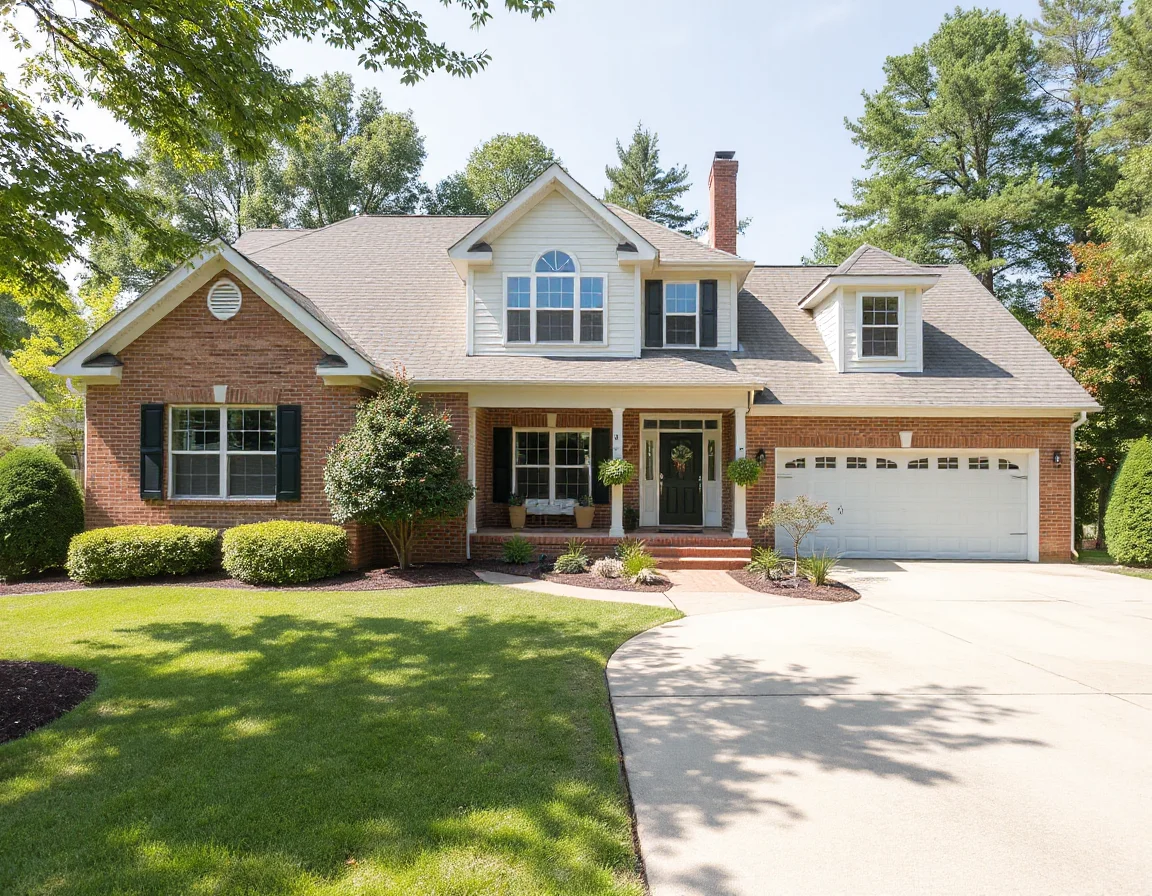
When you start touring homes, take notes after each showing. Record what stood out about the layout, natural light, storage, updates, and any repair concerns. After seeing several properties in one weekend, the details can blur together. A quick written comparison helps you avoid making a rushed decision based only on staging or first impressions.
The best search criteria are specific enough to save time but flexible enough to capture options you might otherwise miss, especially when inventory shifts week to week.
It is also smart to watch how long homes stay on the market and whether sellers are reducing prices, holding firm, or receiving multiple offers. That context shapes your strategy when it is time to write an offer. A well-priced home that just listed may require stronger terms than a property that has been available for a few weeks.
Making an Offer and Navigating Due Diligence
Once you find the right property, your offer is about more than just price. Terms matter. Closing timeline, due diligence period, earnest money, financing type, and requested concessions all influence how attractive your offer looks to the seller. First-time buyers sometimes focus entirely on the purchase price, but a clean, well-structured offer can be just as important.
After a contract is accepted, the due diligence period becomes one of the most important phases of the transaction. This is when buyers typically complete inspections, review disclosures, verify repair needs, and confirm that the home still fits their goals. A general home inspection can uncover deferred maintenance, safety issues, or aging components. Depending on the property, buyers may also consider specialized evaluations for items like roofing, foundation concerns, HVAC systems, or drainage.
Appraisal comes next if you are financing the home. The lender wants to confirm that the home’s value supports the loan amount. If the appraisal comes in at or above contract price, you keep moving forward. If it comes in lower, there may be room to renegotiate, bring additional funds, or revisit the terms depending on the contract and market conditions.
Throughout this stage, communication matters. Deadlines arrive quickly, and decisions about repairs, credits, or next steps often need to happen within a short window. Staying organized with inspection reports, lender requests, and contract dates helps avoid unnecessary stress. This is also where a calm, step-by-step approach pays off most.
What Happens Between Clear-to-Close and Closing Day
As the file moves toward final approval, your lender may ask for updated documents, employment verification, or explanations for large deposits. Try to keep your finances stable during this period. Avoid opening new credit accounts, making major purchases, or moving large sums between accounts without first checking with your lender. Even late in the process, financial changes can affect underwriting.

Shortly before closing, you will receive a Closing Disclosure that outlines your final loan terms and cash needed to close. Review it carefully. Compare the figures to earlier estimates and ask questions about anything you do not recognize. This is the time to confirm not only your totals, but also how and when funds should be delivered for closing.
The final walkthrough usually happens near closing day. This is not another inspection; it is your chance to confirm the property is in the expected condition, agreed-upon repairs have been handled if applicable, and the home is ready for transfer. Bring your contract notes so you can check the details with confidence.
At the closing appointment, you will sign the loan and ownership documents, provide the required funds, and complete the final steps before the deed records. Once everything is confirmed and recorded, the keys are released. For many first-time buyers, that day feels fast after weeks of preparation, which is exactly why a clear process matters so much from the beginning.
A First Home Purchase Is Easier With a Clear Plan
Buying in Concord does not require knowing every detail upfront; it requires asking the right questions in the right order. Pre-approval sets the budget, a focused search keeps you efficient, due diligence protects your decision, and steady communication carries you to the closing table. When each stage is handled intentionally, the process becomes far more manageable and far less overwhelming.
If you are preparing to buy your first home in Concord, the biggest advantage is not trying to predict every twist in the process. It is having a plan, staying flexible, and moving forward one decision at a time. That approach helps you evaluate homes clearly, write stronger offers, and step into closing day knowing what to expect.