
A home inspection in Matthews is less about passing or failing and more about learning how a property functions before closing. Knowing what inspectors typically review, which issues matter most, and how repair requests are negotiated can make the process feel far more manageable. With the right expectations, buyers can move from inspection day to next steps with clarity instead of stress.
Why the inspection matters in a Matthews purchase
Once a contract is signed, the inspection period becomes one of the most informative parts of the transaction. It is the window when a buyer gets a closer look at the condition of the home beyond finishes, staging, and curb appeal. In Matthews, where housing stock can range from established neighborhoods with older systems to newer construction with builder warranties still in play, an inspection helps put the property into practical context.

A standard home inspection is a visual evaluation of accessible components of the property. Inspectors usually review roofing, foundation conditions, grading, exterior surfaces, windows, doors, plumbing, electrical systems, HVAC, insulation, attic spaces, appliances, and visible moisture concerns. They are not predicting the future, but they are identifying current defects, deferred maintenance, and signs that a system may need closer attention.
For buyers, that information supports better decision-making. Some findings may be minor and expected, like worn weatherstripping or a loose handrail. Others can be more consequential, such as an aging roof, water intrusion, outdated electrical components, or HVAC performance issues during North Carolina’s humid summer season. The real value of the inspection is that it separates cosmetic concerns from items that affect safety, function, or near-term cost.
Most inspection reports are longer than buyers expect. A lengthy report does not automatically mean the home is in poor condition; it often reflects a thorough inspector documenting everything from maintenance notes to larger repair items.
What happens before and during the appointment
After the inspection is scheduled, buyers should plan to attend if possible. Being there allows you to ask questions in real time and see issues firsthand, which is often more useful than reading the report later without context. Inspectors may point out shutoff locations, filter sizes, panel labeling, drainage patterns, or simple maintenance steps that can help after move-in.
The appointment itself often takes a few hours, depending on the size, age, and complexity of the home. During that time, the inspector is typically testing major systems, checking visible structural components, and documenting observations with photos and notes. If the property has special features such as a crawl space, deck, irrigation system, fireplace, or detached structure, those may add time and produce additional recommendations.
Buyers should also be ready for referrals. A general inspector may recommend a licensed specialist for roofing, structural engineering, HVAC service, chimney review, or pest evaluation if signs of concern appear. That does not mean the purchase is in trouble. It usually means the next decision should be based on more precise information rather than assumptions.
See how buyer representation can help during inspections and negotiations
How to read the report without overreacting
Inspection reports can look intimidating because they are designed to be comprehensive. Even a well-maintained home may come back with dozens of notes. The key is to sort findings into three buckets: routine maintenance, moderate repairs, and major concerns. Routine maintenance includes items many homeowners address over time, like recaulk recommendations, minor wood rot at trim, GFCI updates, or HVAC servicing. Moderate repairs may involve replacing aging fixtures, correcting drainage, or repairing sections of siding.
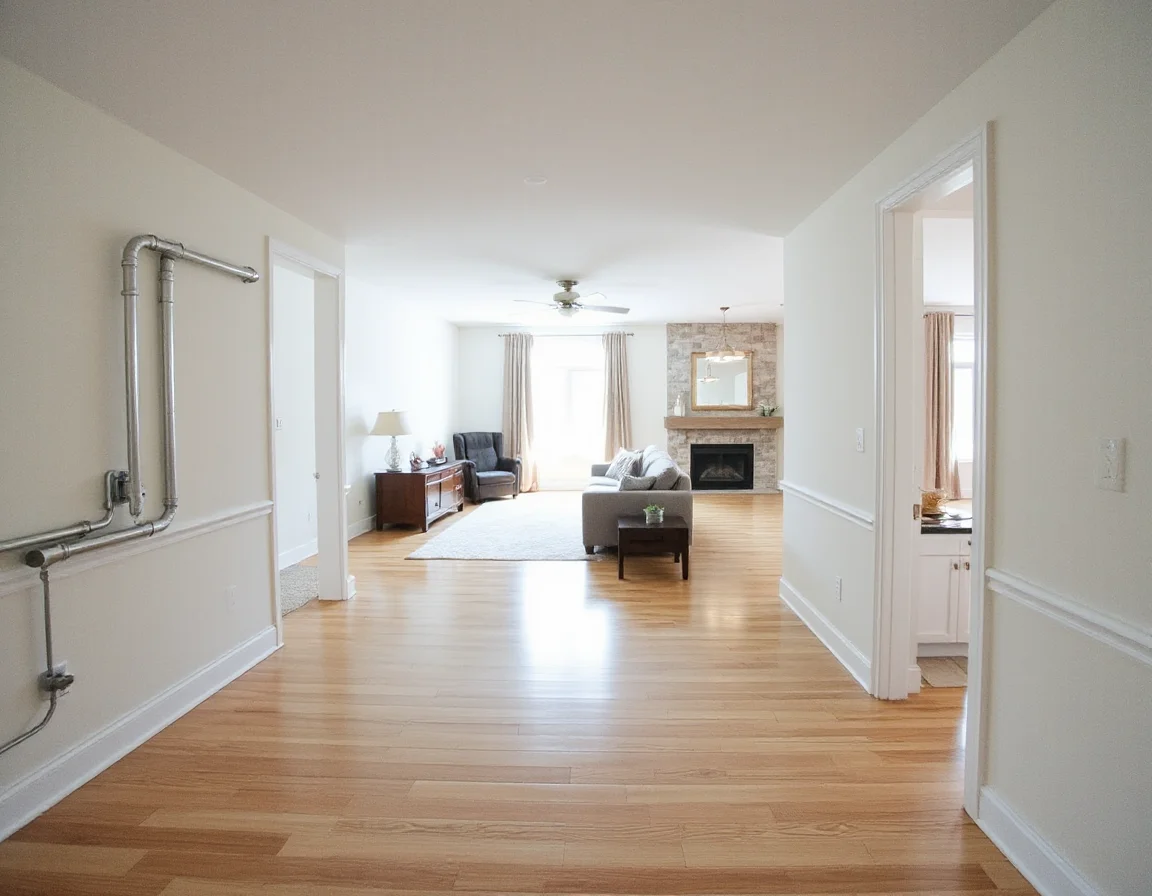
Major concerns are the items that deserve immediate focus. These are the findings most likely to influence negotiations, budgeting, or whether to bring in specialists. Think active leaks, structural movement, electrical hazards, inoperable systems, moisture damage, or safety issues involving stairs, decks, or ventilation. Rather than reacting to the total page count, buyers usually benefit from reviewing the report with their agent and deciding which items are material.
It is also important to remember that no resale home is perfect. Age alone often explains part of what appears in the report. An older Matthews property with mature landscaping and established character may also come with older plumbing lines, original windows, or prior repair work. A newer home may show a shorter list, but even new construction can reveal incomplete finishes, grading concerns, appliance setup issues, or warranty items worth addressing before closing.
A practical repair request usually focuses on safety issues, active leaks, failed systems, and significant defects. Negotiations tend to move more smoothly when the list is specific and tied to meaningful findings.
For that reason, the best next step is usually prioritization. Buyers should ask: Which items affect habitability, function, or immediate cost? Which items can be budgeted for later? Which items need a specialist opinion first? That approach keeps the inspection from becoming overwhelming and turns it into a decision tool.
What negotiations can look like after the findings
Once the report is delivered, the buyer and seller may negotiate in several ways depending on the contract terms, the market environment, and the severity of the issues. In some cases, a seller may agree to make repairs before closing. In others, the parties may settle on a credit, a price adjustment, or no change at all if the findings are minor or already reflected in the sale price.
There is no one-size-fits-all outcome. A competitive market may require buyers to be selective about what they request, while a home with larger defects may support stronger negotiation. The most effective inspection response is usually concise, documented, and centered on substantial concerns rather than cosmetic preferences. When specialist estimates are available, they can help create a clearer path forward.
Timing matters here as well. Inspection periods have deadlines, and waiting too long to review the report or schedule follow-up evaluations can narrow your options. Buyers should plan for quick decisions after the report arrives so there is enough time to request repairs, assess estimates, and decide whether to move forward under the contract terms.
Talk with KMF Realty about buying in Matthews
Local context buyers often notice in Matthews homes
Because Matthews includes a mix of established subdivisions, townhomes, and newer developments, inspection findings often reflect the age and design of each property rather than a simple good-or-bad verdict. In more established homes, buyers may see notes about roof age, crawl space moisture management, original windows, or older mechanical systems nearing replacement timelines. In newer homes, punch-list style issues may show up instead, such as grading adjustments, minor settlement cracks, or incomplete sealing around exterior penetrations.

Climate also plays a role. North Carolina heat, humidity, and storms can affect roofing materials, attic ventilation, drainage, exterior caulking, and wood trim over time. That makes moisture control, gutter performance, grading, and HVAC function especially important topics to review in the report. Even when the home presents beautifully, these behind-the-scenes systems deserve close attention because they influence future maintenance costs.
The encouraging news is that many inspection findings are manageable with the right plan. Some are quick fixes. Some are negotiation points. Some simply become part of your future maintenance calendar. A good inspection does not exist to derail a purchase; it exists to give you a more complete picture of what you are buying.
For buyers in Matthews, the smoothest inspection experience usually comes down to preparation: hire a reputable inspector, attend the appointment if possible, review the report with a clear head, and focus on the items that truly matter. When that happens, inspection day becomes less of a surprise and more of a smart step toward closing with confidence.