

Mint Hill offers a blend of green space, everyday convenience, and recognizable local landmarks that help buyers quickly understand the area’s appeal. This guide highlights where residents spend time outdoors, where people gather for dining and errands, and what to notice when comparing nearby neighborhoods and housing options. If you are exploring the east side of the Charlotte region, Mint Hill rewards a closer look.
A closer look at Mint Hill’s everyday rhythm
Set just outside Charlotte, Mint Hill has a pace that feels connected without feeling hurried. The area is known for established neighborhoods, newer residential development, local services, and an easy mix of residential streets and commercial corridors. For home buyers, that combination matters because it shapes daily routines: how quickly you can reach groceries, recreation, dining, schools, medical offices, and major commuting routes.

Rather than relying on one headline attraction, this community tends to win people over through consistency. Streetscapes transition from long-standing homesites to newer construction, and many pockets of the area offer a practical balance of privacy, yard space, and access to the wider Charlotte metro. Buyers comparing locations often notice that Mint Hill feels especially convenient for those who want room to spread out while still staying tied into regional amenities.
The layout of the area also creates useful options. Some buyers prioritize proximity to shopping and main roads, while others prefer quieter interior streets or neighborhoods closer to parks and recreation spaces. That flexibility is one reason Mint Hill often enters the conversation for people relocating within Mecklenburg County or moving in from nearby communities.
When touring Mint Hill, compare not just home prices but also drive times at the hours you expect to travel most often. A house that feels slightly farther out on a map can still fit your routine well if the road access is straightforward.
Parks and outdoor spaces worth knowing
One of Mint Hill’s strongest lifestyle features is its access to outdoor space. Mint Hill Veterans Memorial Park is often one of the first places people mention because it combines open grounds with recreational facilities and community programming. Spaces like this add more than visual appeal; they support the daily usability of a neighborhood by giving residents nearby options for walking, relaxing outdoors, or attending local events.
In and around town, greenways, playgrounds, athletic fields, and open lawns contribute to the area’s identity. Even for buyers who are not specifically searching for recreation-focused amenities, nearby parks can shape how a neighborhood feels from season to season. Well-used outdoor areas often become reference points when evaluating location, helping buyers picture what a normal weekend or weekday evening might look like.
Another advantage is how park access works alongside residential variety. A neighborhood with larger lots may still feel connected to town services when a community park or gathering space is a short drive away. That can be especially helpful in areas where buyers want a residential setting that does not feel isolated.
For anyone touring homes, it is worth taking a little extra time to drive past the nearest park, not just the property itself. Seeing trailheads, open fields, seating areas, and nearby road patterns can offer a better sense of how the area functions day to day than a map alone ever could.
Dining, convenience, and the local commercial core
Mint Hill’s dining scene is less about a single entertainment district and more about dependable local choice. Along the main retail corridors, you will find a mix of casual dining, familiar everyday stops, coffee options, services, and practical retail. That pattern tends to support a comfortable routine: errands can be combined with a meal out, and many of the area’s most-used destinations are close to one another.
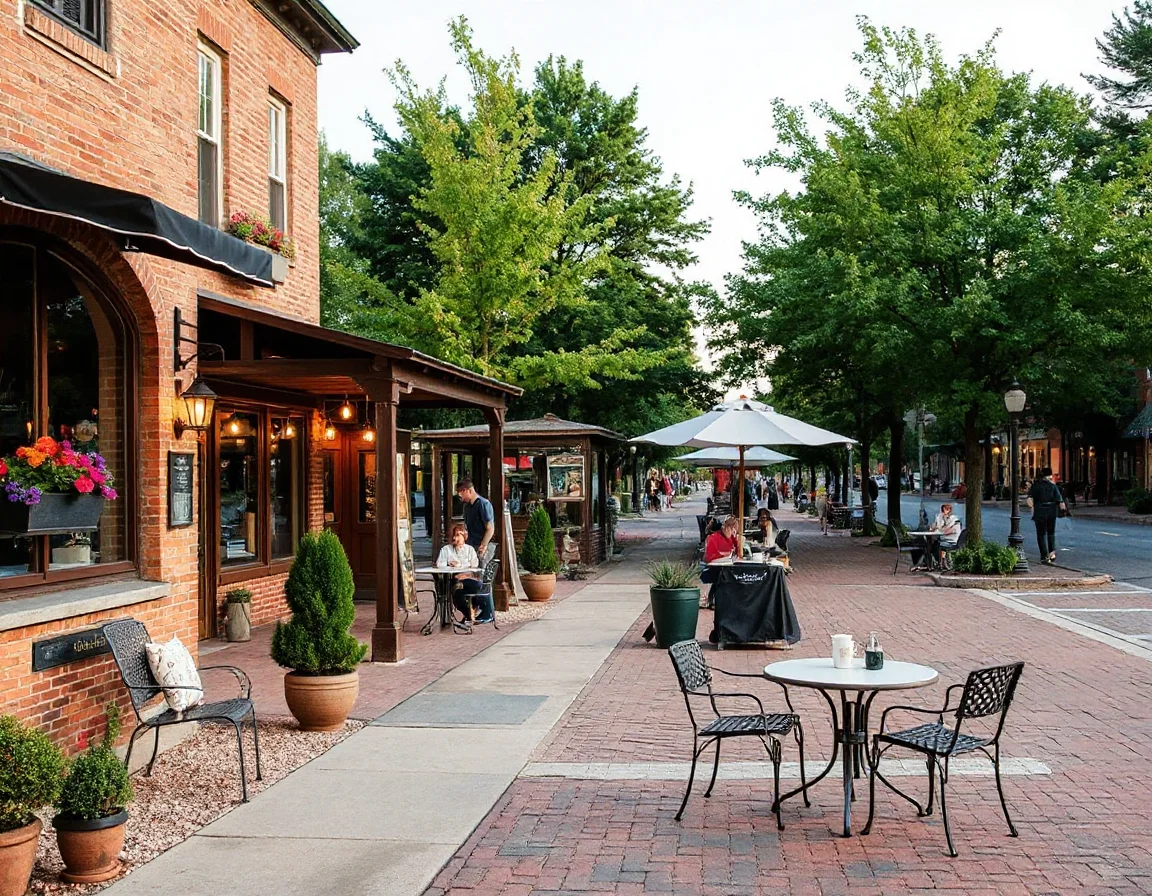
That convenience can influence home search priorities more than buyers initially expect. In many cases, people start by focusing on square footage, bedroom count, or lot size, then realize that easy access to daily essentials becomes just as important. Mint Hill performs well in this category because it offers a local service base without requiring every errand to happen farther into Charlotte.
The commercial areas also help define the town’s atmosphere. Instead of feeling purely residential or strictly suburban, Mint Hill has recognizable places where people naturally gather and move through the day. For a buyer, that usually translates into a location that feels active and established rather than disconnected.
A practical house-hunting tip: visit the nearby retail and dining corridor before or after your showing. It helps you gauge traffic flow, parking ease, and how convenient the area feels during normal daily use.
Buyers who enjoy balancing at-home space with easy access to dining often appreciate this setup. The area supports both quieter residential living and a straightforward path to the places people use most often, which is a meaningful quality when comparing communities across the Charlotte region.
Local landmarks that help define the town
Mint Hill’s landmarks give the community a sense of continuity. The Carl J. McEwen Historic Village is one of the best-known examples, offering a visible link to local history and a reminder that the area has grown from a distinct small-town identity rather than appearing all at once through new development. Landmarks like this may not be the sole reason someone buys a home, but they often shape how a town is remembered and experienced.
Municipal buildings, memorial spaces, and long-recognized community destinations also create orientation points for buyers learning the area. When people begin to understand where these landmarks sit in relation to neighborhoods, parks, and retail corridors, the town becomes easier to navigate and compare. That is useful during a home search, especially for relocation buyers who are trying to build familiarity quickly.
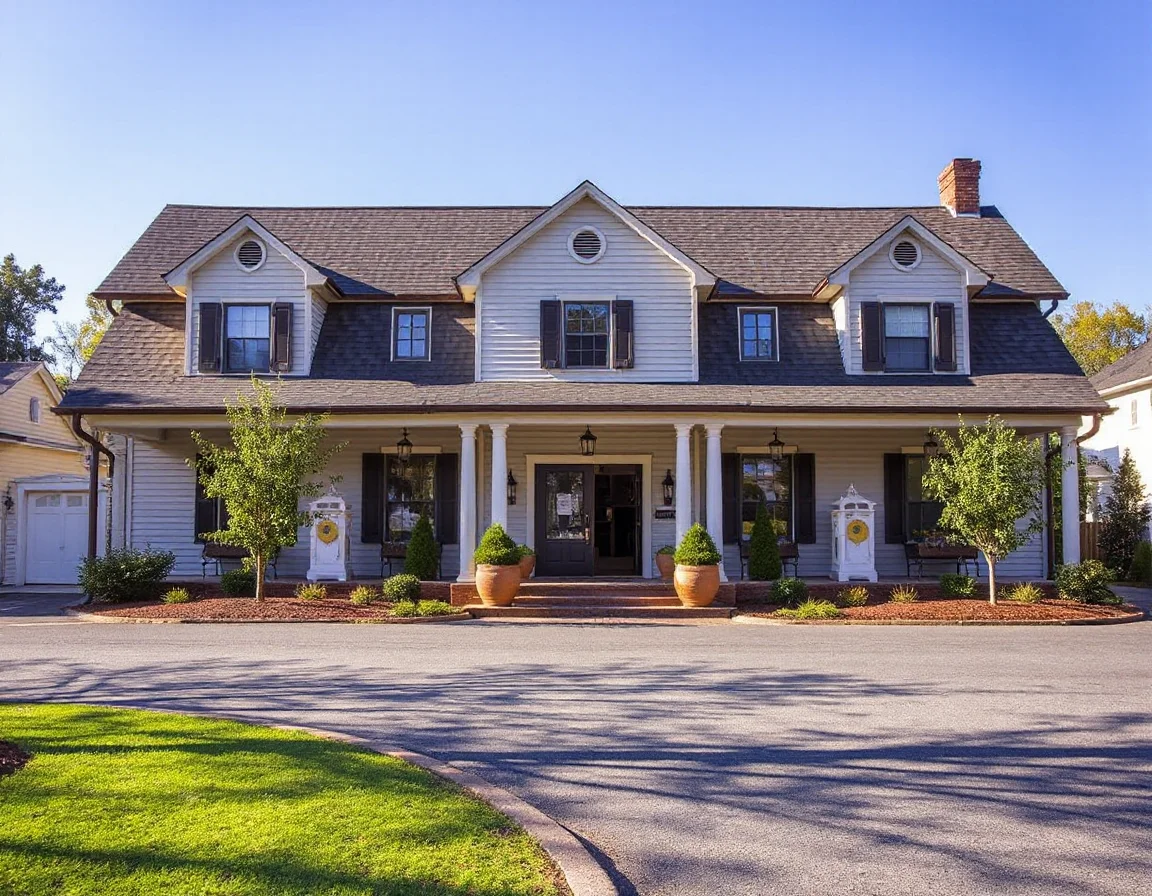
These local reference points matter in real estate because buyers rarely choose a property in isolation. They choose a home within a broader setting. Recognizable landmarks, maintained public spaces, and a defined town center can add clarity to that decision, helping a community feel easier to understand and more grounded.
For sellers, those same landmarks can be part of a strong marketing story when presented factually and fairly. Proximity to parks, local historic sites, and established commercial areas gives buyers concrete reasons to picture everyday life in the area without relying on vague lifestyle claims.
What Mint Hill means for buyers comparing Charlotte-area options
Mint Hill stands out when you want a location with recognizable community amenities, practical daily convenience, and housing choices that range from established homes to newer builds. It is not simply a pass-through suburb; it has its own landmarks, public spaces, and local rhythm. That identity can be a real advantage for buyers who want both regional access and a place that feels distinct.
As you compare neighborhoods, pay attention to the details that shape livability over time: how close parks are to the homes you like, whether the nearest retail corridor supports your routine, and how the overall street network feels during a normal weekday. Those factors often become just as important as finishes and floor plans.
For buyers exploring the Charlotte metro, Mint Hill is one of those communities that often becomes more appealing after an in-person visit. The mix of green space, recognizable landmarks, and everyday convenience tends to come through most clearly when you drive it, walk a park, and see how the neighborhoods connect. That is where the area’s appeal becomes real.